Here is an excerpt from a review article in the official AAFP journal American Family Physician:
Causes of genital ulcers
Herpes simplex virus (HSV) infection and syphilis are the most common causes of genital ulcers in the U.S.
Other infectious causes include:
- chancroid
- lymphogranuloma venereum (LGV)
- granuloma inguinale (donovanosis)
- secondary bacterial infections
- fungi
Noninfectious etiologies of genital ulcers include:
- sexual trauma
- psoriasis
- Behçet syndrome
- fixed drug eruptions
CDC Streaming Health | This video, produced by Be Smart. Be Well., raises awareness of Sexually Transmitted Diseases (STDs): 1) What are they? 2) Why they matter? and, 3) What can I do about them? Footage courtesy of Be Smart. Be Well. http://www.besmartbewell.com, featuring CDC's Dr. John Douglas, Division of Sexually Transmitted Disease Prevention.
Diagnosis
The following tests should be considered in all patients:
- serologic tests for syphilis and darkfield microscopy or direct fluorescent antibody testing for Treponema pallidum
- culture or polymerase chain reaction test for herpes simplex virus (HSV)
- culture for Haemophilus ducreyi in settings with a high prevalence of chancroid
No pathogen is identified in up to 25% of patients with genital ulcers.
Treatment
The first episode of herpes simplex virus infection is usually treated with 7-10 days of oral acyclovir (5 days for recurrent episodes). Famciclovir and valacyclovir are alternative therapies.
One dose of intramuscular penicillin G benzathine is recommended to treat genital ulcers caused by primary syphilis.
Treatment options for chancroid include a single dose of intramuscular ceftriaxone or oral azithromycin, ciprofloxacin, or erythromycin.
Lymphogranuloma venereum and donovanosis are treated with 21 days of oral doxycycline.
Treatment of noninfectious causes of genital ulcers varies by etiology, of course. Topical wound care for ulcers caused by sexual trauma. Subcutaneous pegylated interferon alfa-2a is considered for ulcers caused by Behçet syndrome.
References:
Diagnosis and management of genital ulcers. Roett MA, Mayor MT, Uduhiri KA. Am Fam Physician. 2012 Feb 1;85(3):254-62.
Tampilkan postingan dengan label Urology. Tampilkan semua postingan
Tampilkan postingan dengan label Urology. Tampilkan semua postingan
Rabu, 27 Juni 2012

Selasa, 24 April 2012
Unfaithfulness in men may be associated with higher risk of cardiovascular events
 The authors of this study from Italy performed an extensive Medline search for “unfaithfulness,”“extramarital affairs,”“infidelity,” and “men.”
 How common is unfaithfulness in men?
As expected the results were variable. Some surveys reported that 1.5–4% of married men had extramarital coitus in any given year, others that 23.2% of men have cheated during their current relationship.
Lifetime prevalence of unfaithfulness was between 15% and 50%.
What are the factors related to unfaithfulness?
Men with extramarital affairs more frequently have a dysfunctional primary relationship.
Parenthood and conflicts within the family are associated with a higher risk of having an affair.
Unfaithful men display a higher androgenization, larger testis volume, higher sexual desire, and better sexual functioning.
What are the clinical implications of unfaithfulness in men?
Some studies have suggested that having an extramarital affair could have a negative impact on cardiac morbidity and mortality. Unfaithfulness in men seems to be associated with a higher risk of major cardiovascular events.
References
Fisher AD, Bandini E, Rastrelli G, Corona G, Monami M, Mannucci E, and Maggi M. Sexual and cardiovascular correlates of male unfaithfulness. J Sex Med, 2012.
Image source: OpenClipart.org, public domain.
Kamis, 15 Maret 2012
March Madness Vasectomies: Postop period is "a perfect situation for television", says Cleveland Clinic urologist
Vasectomy is a surgical procedure for male sterilization, and consequently, birth control. During the procedure, the vasa deferentia of a man are severed, and then tied/sealed. This prevents sperm from entering into the seminal stream (ejaculate). You can watch a video how the procedure is done here.
From Cleveland Clinic YouTube channel: A urologist talks about the increase in the number of vasectomies he does this time of year. "Guys get it done, then watch the NCAA Basketball tournament all weekend long." The procedure takes 5-10 minutes. Patients need to ice the area for 2-3 days.
The NCAA Men's Division I Basketball Championship is a single-elimination tournament held each spring in the United States, featuring 68 college basketball teams, to determine the national championship in the top tier of college basketball. The tournament, organized by the National Collegiate Athletic Association (NCAA), was created in 1939 by the National Association of Basketball Coaches, is held mostly in March, and it is known informally as March Madness (source: Wikipedia).
Private urology practices advertise on TV their "Vasectomy Madness" campaigns:
CNN RidicuList with Anderson Cooper: Vasectomy and free pizza (video):
From Cleveland Clinic YouTube channel: A urologist talks about the increase in the number of vasectomies he does this time of year. "Guys get it done, then watch the NCAA Basketball tournament all weekend long." The procedure takes 5-10 minutes. Patients need to ice the area for 2-3 days.
The NCAA Men's Division I Basketball Championship is a single-elimination tournament held each spring in the United States, featuring 68 college basketball teams, to determine the national championship in the top tier of college basketball. The tournament, organized by the National Collegiate Athletic Association (NCAA), was created in 1939 by the National Association of Basketball Coaches, is held mostly in March, and it is known informally as March Madness (source: Wikipedia).
Private urology practices advertise on TV their "Vasectomy Madness" campaigns:
CNN RidicuList with Anderson Cooper: Vasectomy and free pizza (video):
Selasa, 11 Oktober 2011
The Search for a Male Contraceptive
 From the NYT:
Steve Owens had always left birth control to his wife, who took the pill. Then Mr. Owens volunteered to test potential methods that lowered his sperm count so much that “I was not viably able to produce a child,” he said. His count rebounded weeks after stopping each method, and he fathered a daughter between research studies.
Male contraceptives are attracting growing interest from scientists. The most studied approach uses hormones such as testosterone and progestin, which send the body signals to stop producing sperm. While effective and safe for most men, they have not worked for everyone (5% do not respond to treatment). Questions about long term side effects also remain.
Scientists are testing several ways of interrupting sperm production, maturation or mobility:
- hormones (implants, injections, gels or pills) work for 95%
- gamendazole, derived from an anticancer drug, interrupts sperm maturation
- an anti-parasitic drug that blocks production of retinoic acid
- an anti-parasitic drug that blocks production of retinoic acid
- a drug that disables calcium ion channels of sperm
- two drugs, an antihypertensive and an antipsychotic, inhibit ejaculation
- briefly heating the testes with ultrasound can halt sperm production for months
Scientific Advances on Contraceptive for Men. NYTimes.
Image source: The shield and spear of the Roman god Mars, which is also the alchemical symbol for iron, represents the male sex. Wikipedia, public domain.
- briefly heating the testes with ultrasound can halt sperm production for months
References:
Scientific Advances on Contraceptive for Men. NYTimes.
Image source: The shield and spear of the Roman god Mars, which is also the alchemical symbol for iron, represents the male sex. Wikipedia, public domain.

Jumat, 26 Agustus 2011
Persistent Sexual Side Effects Related to Finasteride (Popecia) Use for Male Hair Loss
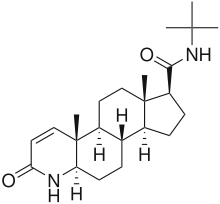 Finasteride (Propecia) has been associated with reversible adverse sexual side effects in multiple trials for the treatment of male pattern hair loss (MPHL).
This study included 71 otherwise healthy men aged 21–46 years who reported new onset of sexual side effects associated with the temporal use of finasteride, and in which the symptoms persisted for 3 months despite the discontinuation of finasteride.
Patients reported the following new-onset persistent sexual dysfunction associated with the use of finasteride:
- 94% developed low libido
- 92% developed erectile dysfunction
- 92% developed decreased arousal
- 69% developed problems with orgasm
The mean duration of finasteride use was 28 months and the mean duration of persistent sexual side effects was 40 months from the time of finasteride cessation to the interview date.
Physicians treating MPHL should discuss the potential risk of persistent sexual side effects associated with finasteride

Minoxodil - Costco.
References:
Persistent Sexual Side Effects of Finasteride for Male Pattern Hair Loss. Michael S. Irwig MD, Swapna Kolukula. The Journal of Sexual Medicine, 2011.
Langganan:
Postingan (Atom)